

Buddha Teachings : ค้นหาหนังสือธรรมะ หน้า 20 / 27
หน้าหนังสือทั้งหมด
38
The Virtue of Abstaining in Dakhina-vibhanga Sutta
The Virtue of Abstaining
6. Dakhina-vibhanga Sutta
the virtues loved by noble ones.24 It is owing to the Blessed One that Mahā paja pārī Gotāmī is free from doubt about suffering, about the origin of
The Dakhina-vibhanga Sutta highlights the significance of abstaining from harmful actions such as killing and immoral conduct. It illustrates how one's journey towards refuge in the Buddha, Dhamma, an

68
The Virtue of Absorbing in the Velama Sutta
68
The Virtue of Absorbing
7. Velama Sutta
"If one were to feed one non - returner, that would be more fruitful than... if one were to feed 100 oncereturners.
"If one were to feed one arahant, that
In the Velama Sutta, the text highlights the profound impact of offering food to individuals with high spiritual attainment. It asserts that feeding a single non-returner yields greater merit than fee
45
Pindapata: The Art of Alms Gathering
Alms Gathering (Pindapata)
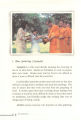
Pindapata is a Pali word literally meaning the receiving of rice in an alms bowl. Monks are forbidden to cook or prepare their own meals. Monks must wait for food to be off
Pindapata, derived from Pali, refers to the practice of monks receiving rice in their alms bowls. Monks are prohibited from cooking, relying instead on the offerings from others. This tradition unders
34
Overcoming Suffering Through Education and Moderation
fund the consequences of our bad eating habits, this may also lead to unethical and immoral ways of funding our uninformed or mismanaged feeding of the body and its kinesia-driven greed and excesses.
This text discusses the impact of our eating habits and the broader implications of our existence, emphasizing the importance of education to alleviate the suffering associated with living. It highlig
46
The Journey of Kala and the Pursuit of Dhamma
Therefore he remained and continued to listen. Kala listened to the Dhamma with a firm resolution to learn; but the Teacher, as before, caused him to misunderstand the true meaning. 'I will master the
In this narrative, Kala demonstrates a strong resolve to learn the Dhamma, yet faces challenges in understanding its true meaning. His encounter with the Teacher leads him to strive for mastery of a s

6
The Favorite Jatakas
Preface
The original favorite Jatakas have gone through quite a number of editions before coming up with this final version.
Though the four Jatakas in this book may belong to different categories; t
This book presents a final edition of the beloved Jatakas, including varied tales that reflect the teachings of Lord Buddha. Through analysis and linkage, readers will understand the essence of narrat

5
พระพุทธศาสนามหายาน: เหตุใดคำสอนของพระพุทธเจ้าจึงมีความหลากหลาย (2)
พระพุทธศาสนามหายาน : เหตุใดคำสอนของพระพุทธเจ้าจึงมีความหลากหลาย (2)
Mahayana Buddhism: Reasons for Diversity in the Buddha's Teachings (2)
births of Śākyamuni Buddha when he was a bodhisattva. It was
เอกสารนี้สำรวจลักษณะของพระพุทธศาสนามหายาน โดยเน้นถึงความหลากหลายของคำสอนที่เกี่ยวข้องกับความสำเร็จในการเข้าถึงพระพุทธเจ้า ผ่านทางประสบการณ์ของโพธิสัตว์และการเปิดเผยในพระสูตรมหายานต่างๆ ซึ่งมีความสำคัญ
4
The Role of Garudhamma in Buddhist Nuns' Conduct
a misplaced doubt about the rule that a nun must be given advice (ovāda)
and pointed out her bad behaviors (pavāraṇā) by a monk. Based on the
evidence in the Pāli canon, I make a clearer definition an
This paper examines the role of garudhamma in guiding the conduct of Buddhist nuns, highlighting their importance as norms rather than customs. It discusses the issues raised by a monk regarding advic
31
Dhammacakkappavattana Sutta: The Sermon
Dhammacakkappavattana Sutta:
The Sermon
Something which you will find at the beginning of every sutta are Aṅanda’s words 'Evam.e sutam...': i.e. ‘Thus have I heard (directly from the Lord Buddha)
The Dhammacakkappavattana Sutta begins with Aṅanda's phrase 'Thus have I heard' and recounts the Buddha's teachings delivered at the Isipatana Deer Park. The Blessed One addresses the group of five mo
47
Understanding Right Concentration and the Dhammacakka
oupes, keep the Precepts, meditate or listen to Dhamma sermons. Such determination is a precursor of concentration called 'khaṇika-samādhi'.
7.2 Right Concentration (transcendental): At high level Rig
บทความนี้อธิบายถึงการเจริญสมาธิอย่างถูกต้องซึ่งรวมถึงการเข้าถึงสมาธิในระดับที่สูงขึ้น รวมถึง Dhammacakka ซึ่งเป็นแนวทางในการเข้าถึงนิพพาน โดยอธิบายความสัมพันธ์ระหว่างปัจจัยที่นำไปสู่การตรัสรู้และบทบาท
50
Understanding the Noble Truths of Suffering
the 'Noble Truth of the Suffering', the 'Noble Truth of the
Origin of Suffering' and the 'Noble Truth of the Cessation
of Suffering'. In brief, the artistry of the Lord Buddha is to
integrate all four
The teachings of the Lord Buddha encompass the Four Noble Truths, with a significant focus on understanding suffering. Suffering is characterized through various forms — from birth to death, highlight
57
The Noble Truth of the Eightfold Path
4.1 The Path as the Escape from the Cycle of Existence
This is the direct definition of the Noble Truth of the Path to the End of Suffering. Whosoever wishes to traverse the ocean of the Cycle of Exis
This text discusses the Noble Eightfold Path as the essential means to traverse the Cycle of Existence and end suffering. It illustrates the overwhelming nature of this cycle, marked by the suffering
78
Understanding the Noble Truth of Suffering
tial a person might be, it doesn't merit any special consideration on suffering's part — all are equal in the face of suffering. Thus, realization of the reality of suffering for what it really is, to
This section discusses the Buddhist understanding of suffering, emphasizing that all beings are equal in their experience of suffering. It highlights the significance of realizing the Noble Truth of S
84
The Dangers of Craving in Buddhism
four unfortunate realms [abhāyabhūmi]. Just as the swift currents of a river tend to sweep away all things to the ocean that fall within its reach, desire will tend to pull all beings who entertain it
This text discusses the profound impact of craving on beings, illustrating how it drives them towards hell realms and unwholesome actions. The Buddha's teachings emphasize that craving can lead to sin
177
The Enlightenment of the Buddha’s First Disciple
The Enlightenment of the Buddha’s First Disciple
In preaching the Dhammackakapavattana Sutta, the Buddha revealed the Thirty-Seven Factors of Enlightenment [bodhipakkhiyadhamma], the Cycle of Depende
The Buddha, in the Dhammackakapavattana Sutta, introduced the Thirty-Seven Factors of Enlightenment, laying down the framework of the Four Noble Truths and the Cycle of Dependent Origination. Dhammaca
236
Glossary of Buddhist Terms
Akiṇiṭṭhā (P. Realm of Supreme anurakkhāṇa-paddhāṇa (maintre Brahmas: see form Brahmā
akusalahamma (see unwhole- anusayā (see subtle defilements)
someness) apilapanasati (see monitoring as- alābha (se
This glossary provides definitions and explanations of essential Buddhist terms, including various realms, states of mind, and notable figures. Key concepts such as Anāgamī (non-returner), anatta (not
134
Untitled
in preserving elements of the oral tradition of medita-
tion in Theravada Buddhism against the homogenizing
influence of scripturally-based techniques of his time.
He had a significant pioneering inpu
No content provided for summary.

5
Connections of Love from Past Existences
Chapter 1
Love
Connections from Past Existence
The love between two people, whether it is love at
first sight, or love that slowly blossoms, has a lot to
do with their relationships in previous lives.
บทนี้สำรวจเกี่ยวกับความรักที่เกิดจากความสัมพันธ์ในชาติที่ผ่านมา พระพุทธเจ้าอธิบายว่าความรักเกิดจากสองสาเหตุหลัก คู่รักอาจเคยเป็นสามีภรรยามาก่อนหรือดูแลกันในชีวิตนี้ ตัวอย่างเช่นเจ้าชายสีดัทธะและเจ้าหญ
6
The Eternal Bond of Love in Reincarnation
the puddle to let Dipankara Buddha and his disciples
walk over to the other side, so they would not get wet.
Dipankara Buddha prophesied that Sumedha would
become the next Buddha, known as Gautama
Bim
This narrative delves into the story of Dipankara Buddha and his disciples, illustrating how their virtuous actions influence future lives. The tale of Sumedha and Princess Bimba highlights the depth
26
Unbreakable Bonds: The Eternal Connection of Family
Unbreakable Bonds
The bond between a husband and wife can be broken;
but the bond between parents and children is
unbreakable even through death. Even if we do not
know who our parents are (due to cer
The bond between parents and children remains unbreakable even through death. While some may show their love occasionally, expressions of gratitude should be more frequent. The Lord Buddha exemplified